





By Benjamin G. Allar, MD, MPH, and Gezzer Ortega, MD, MPH
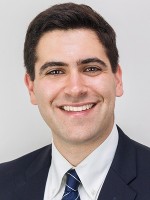 | 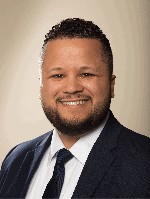 |
| Benjamin G. Allar, MD, MPH | Gezzer Ortega, MD, MPH |
Successful communication and comprehension are essential for delivering high-quality surgical care. With more than 25 million people in the United States with limited English proficiency (LEP), every surgeon is bound to take care of patients who require a certified medical interpreter to communicate effectively.
Language barriers can make it difficult for patients with LEP to understand their health conditions and treatment options. True shared decision-making requires clear communication and understanding of the patient’s goals of care to ensure optimal surgical and patient outcomes. Unfortunately, multiple studies have found that patients with LEP are at a higher risk for emergency surgery, postoperative complications, and readmissions, and furthermore, it depends on the disease and procedure performed. Therefore, improving surgical care for patients with LEP is critical to ensuring equity in access to, and outcomes of, high-quality surgical care.
There are numerous steps for surgeons to implement to ensure equitable care for patients with LEP. One of the most effective ways to improve surgical care for these patients is to use professional interpretation services. Studies have shown that the use of professional interpreters improves patient–provider communication, reduces medical errors, and leads to better patient outcomes. Although adequate interpreter services are mandated by the Civil Rights Act of 1964 for all hospitals that receive Medicare funding, the actual utilization by hospitals and surgeons can be sparse, even for serious conversations such as surgical consent.
Medical interpretation is not just word-for-word translation, but also requires an experienced understanding of medical terminology, cultural nuances, and patient–provider dynamics. Professional interpreters can help bridge the language and potential cultural gap, ensuring that not only patients understand their diagnosis, the treatment options and postoperative care instructions, but also ensure that surgeons appreciate the patient’s perspective and their questions. Therefore, reliance on ad hoc interpreters such as family members or non-certified staff can lead to substantially different healthcare delivery between English-proficient patients and those with LEP, which ultimately compromises understanding, confidentiality, and trust. In addition, recent studies, have demonstrated the insufficiency of machine translation services provided by Apple, Google, or Microsoft compared with human interpreters (J Gen Intern Med 2023 Feb 13. doi:10.1007/s11606-023-08079-6).
Another way to ensure equitable care for patients with LEP is to promote a more multilingual and diverse surgical workforce, starting with surgical residents. Surgical programs across the country have advocated for a formal multilingual workforce through paying residents to get certified as a bilingual speaker (Jt Comm J Qual Patient Saf 2020;46[6]:359-364). Surgeons should advocate for healthcare system investment in adequate professional interpreter services or trained bilingual physicians to ensure high-quality care for patients with LEP.
Surgeons should also ensure that patient-facing materials are available in multiple languages, both for preoperative information and postoperative discharge instructions. This information should not be just a direct translation, as it needs to be culturally and linguistically appropriate for maximal equity. Given the multitude of languages required, surgeons should advocate for their surgical subspeciality societies to help with the valid and culturally appropriate translation of common educational information and even discharge information. Societies that publish public-facing information online should have this information available in multiple languages; working groups within the society can provide guidance on some general preoperative and postoperative hospital information for patients with LEP in common languages throughout the United States. Patients with LEP may have health beliefs, literacy levels, and communication preferences that differ from English-speaking patients, which is why it is critical for professional medical interpreters and multicultural providers to have input on these documents to ensure accuracy and appropriateness.
Surgeons can work to improve their cultural dexterity to meet the needs of their patients. The practice of cultural dexterity is a skill that is honed over time with practice and knowledge, which requires introspection and a growth mindset before and after encounters with patients with LEP. Surgeons should adopt a patient-centered approach to surgical care that recognizes and respects patients’ cultural and linguistic diversity. Patient-centered care involves listening to patients’ concerns, preferences, and values, as well as involving them in decisions about their health and care. Additionally, patient-centered care involves addressing patients’ social needs, such as language barriers, transportation, and financial constraints that may affect their ability to access and use surgical care.
Work in educating surgeons about cultural dexterity is already starting. As an example, the Provider Awareness and Cultural Dexterity Toolkit for Surgeons Trial has just completed data collection in an eight-center randomized controlled trial on teaching cultural dexterity to more than 300 surgical residents, with a particular focus on working with patients with LEP. Regardless of the results of this trial, which focuses also on educational delivery, the principles of cultural dexterity are critical for patient-centered care and should be encouraged in all surgical healthcare settings.
Finally, healthcare providers can use technology to improve surgical care for patients with LEP, whether through telemedicine or use of smartphone-based interpreter applications with 24/7 access to live certified medical interpreters. Ideally, this application would have video capability as this could assist with non-verbal cues and patients who communicate with American Sign Language. Moreover, telemedicine with an available interpreter can provide a cost-effective and efficient way to deliver certain aspects of surgical care to patients with LEP who may have limited access to healthcare facilities or transportation. However, surgeons must ensure that telemedicine services are accessible and culturally appropriate for patients with LEP. Additionally, telemedicine platforms should be user-friendly, accessible, and compatible with patients’ devices and internet connectivity.
High-quality healthcare is equitable healthcare. For too long, patients with LEP have had worse access and outcomes in the health system. Surgeons can play a major role in improving surgical care for patients with LEP by advocating for more professional interpretation services, developing culturally and linguistically appropriate educational materials, providing patient-centered care, and implementing technology to overcome language barriers and improve communication with patients with LEP. By doing so, healthcare providers can provide optimal surgical care and improve health outcomes for all patients, regardless of their language or cultural background.
—Dr. Allar is a research fellow at the Center for Surgery and Public Health, Brigham and Women’s Hospital, and a general surgery resident at Beth Israel Deaconess Medical Center in Boston. Dr. Ortega is an assistant professor, Department of Surgery, and lead faculty for Research & Innovation for Equitable Surgical Care, Center for Surgery and Public Health, Brigham & Women’s Hospital, in Boston.
Please log in to post a comment
Los autores sugieren que el sistema de salud en los Estados Unidos, que se basa en el idioma inglés, se retorció a sí mismo para acomodar a personas de diversos orígenes que no hablan inglés. Creo que existe la necesidad de tal adaptación en situaciones de emergencia. Sin embargo, sugeriría que las personas que deseen acceder a la atención primaria, la atención quirúrgica electiva y todos los demás aspectos no emergentes de la atención médica en los Estados Unidos asuman la responsabilidad de sí mismos y organicen los servicios de traducción necesarios. Ciertamente, esto se puede hacer a través de organizaciones comunitarias.