
Originally published by our sister publication Infectious Disease Special Edition
By IDSE News Staff
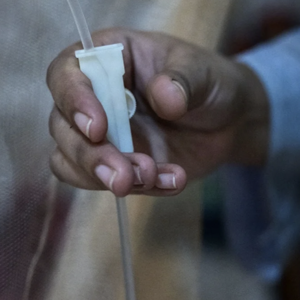
The World Health Organization published the first global guidelines to prevent the occurrence of bloodstream and other infections caused by catheters placed in minor blood vessels during medical procedures.
Poor practices in the insertion, maintenance and removal of these catheters carry a high risk for bacteremia, which can lead to serious conditions such as sepsis and difficult-to-treat complications in major organs like the brain and kidneys. Soft tissue infections at the insertion site of the catheter can also occur.
Many bloodstream infections are caused by antibiotic-resistant bacterial infections. It is estimated that bacterial antimicrobial resistance was directly responsible for at least 1.27 million deaths and contributed to an additional 4.95 million deaths in 2019.
“Infections associated with health care delivery represent a preventable tragedy and a serious threat to the quality and safety of health care,” said Bruce Aylward, MD, MPH, WHO’s assistant director-general for Universal Health Coverage, Life Course. “Implementing clean care and infection prevention and control recommendations is critical to saving lives and alleviating a great deal of avoidable suffering experienced by people around the world.”
Developing and implementing guidance to prevent the spread of such infections has been a key priority for the WHO. The new guidelines include 14 good-practice statements and 23 recommendations on key areas for healthcare workers, including:
- education and training of health workers;
- techniques of asepsis and hand hygiene practices;
- insertion, maintenance, access and removal of catheters; and
- catheter selection.
The WHO will continue to work with countries to develop and implement best practices to reduce the occurrence of bloodstream infections in hospitals, and to ensure all patients receive safe and effective care.