

As many of you know by following my articles in various journals, as well as my recent series on the current state of healthcare in General Surgery News [“Reforming Healthcare” at www.generalsurgerynews.com], I believe much is wrong with our current medical system. Despite that, today I am writing an article that encapsulates much of what is right with our noble profession.
About two years ago, a well-known businesswoman and community activist, as well as a very close friend of mine, was struck by a car in a crosswalk of a busy downtown street in Nashville, Tenn. She suffered severe multisystem trauma, the sum of which I did not believe was consistent with survival.
Due to the rapid and professional response of the EMTs, she was transported to the trauma center at Vanderbilt University Medical Center within minutes of her accident. She arrived in deep shock barely clinging to life with nearly every organ system seriously damaged. She was quickly and expertly resuscitated, and her injuries were accurately catalogued and managed in the appropriate order. Her hospital course was complicated by one life-threatening crisis after another, all quickly recognized and expertly managed by the university’s multisystem trauma team, ultimately leading to a safe discharge for outpatient rehabilitation.
This clinical triumph was the direct result of the expertise, dedication and herculean effort of the entire multidisciplinary team. It is important to recognize that this wonderful team, as well as the many others scattered across our country that make up our national trauma system, are the direct result of the historical insight and years of dedicated work by the American College of Surgeons. Today, the ACS continues to be the central driving force in the development, availability, evolution and maintenance of the high standards that are emblematic of our nation’s care of trauma patients. The current working policy of “Zero Preventable Trauma Deaths” is a true testimony to the ACS’s effective and continued leadership in this critical arena of surgical care.
As important as her clinical care, a constant aura of true humanism permeated her care environment. During these painful and frightening times of immense personal struggle, she was surrounded by an atmosphere of patience, understanding, compassion and support. Also, during this desperate period, she was afforded the essential concept of hope—a psychological force multiplier so often needed to muster the level of resolve required for survival in existentially threatening times. Essentially, this was medical care at its finest.
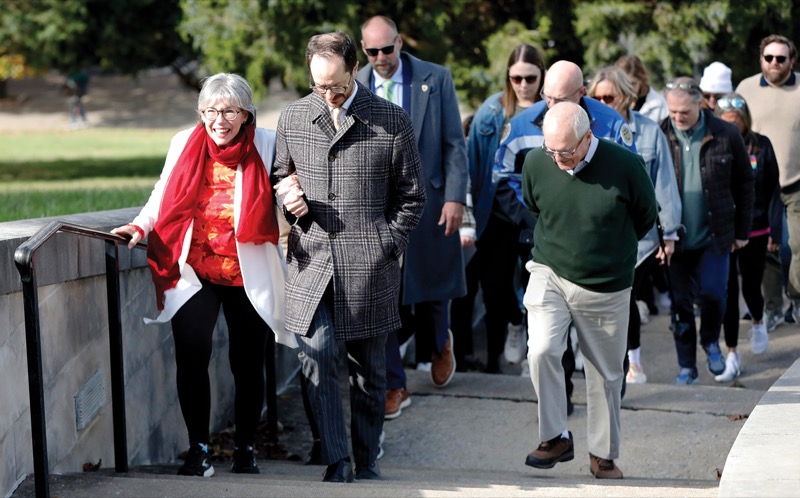
Finally, after months of exhaustive outpatient rehabilitation she was returned to functional health, although still battered. The anniversary of her accident was celebrated by a victorious climb up the Tennessee Capitol Steps, a rigorous 144-step climb that she had done every day for exercise prior to her traumatic event. She was joined by Nashville dignitaries, friends and, most notably, members of her care team, humbly bringing up the rear of the long line of participants. She was met at the top of the steps, in a Rocky-esque moment of triumph by her lead surgeon with an affirmative embrace, signaling that they both had done their jobs.
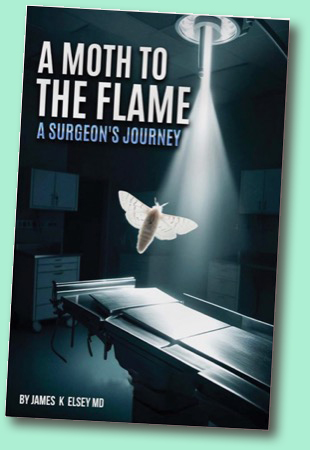
New Book: ‘A Surgeon’s Journey’
Yes, much is wrong with the healthcare system that we strain to work within every day. However, this story is emblematic of what is right with it. It is a powerful true-life example of skill, dedication, empathy and humanism.
Hippocrates would be proud. I am!
Dr. Elsey is a professor of surgery at the Medical University of South Carolina, in Charleston, and past vice chair of the Board of Regents of the American College of Surgeons.