
CHICAGO—Heavyweight polypropylene mesh provides more durable ventral hernia repair than medium-weight mesh, without increasing pain, complications, or reducing quality of life, according to six-year follow-up data from a randomized controlled trial presented at the 2025 Clinical Congress of the American College of Surgeons.
The findings refine mesh selection guidance for clean open ventral hernia repairs and underscore the importance of long-term outcome assessment.
“This study is a follow-up to our randomized controlled trial published in 2021,” said David Krpata, MD, a general surgeon at Cleveland Clinic. “In that initial work, we aimed to evaluate whether polypropylene mesh weight influenced clinical outcomes or patient-reported outcomes. Our hypothesis was that medium-weight mesh would result in less postoperative pain and better quality-of-life scores without compromising clinical outcomes or recurrence rates.”
That early trial found no meaningful differences in pain, mesh sensation, or hernia-specific quality of life between heavyweight and medium-weight polypropylene mesh.
“However, we had ongoing concerns about the long-term durability of medium-weight mesh and its potential effect on hernia recurrence,” Dr. Krpata explained. “Those questions motivated us to pursue long-term follow-up from this study.”
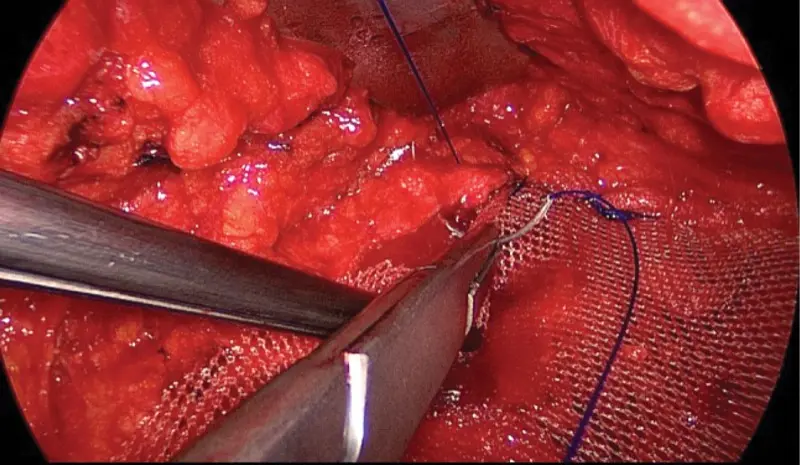
In the updated analysis, 262 of the original 350 participants (74.8%) contributed clinical and/or patient-reported outcomes between four and six years postoperatively. Demographics and operative characteristics remained comparable between groups. At five years, patient-reported outcomes showed no significant differences: Median PROMIS Pain scores were identical (30.7), and HerQLes quality-of-life scores were similarly high (median of 92).
However, clinical recurrence diverged over time. Cumulative recurrence was significantly lower in patients receiving heavyweight mesh (2%) compared with medium-weight mesh (6%) (P=0.05). Other clinical outcomes—including reoperation, surgical site occurrences, and pragmatic recurrence that incorporated self-reported bulge—were similar between groups.
“For clean (CDC wound class I) ventral hernia repairs using polypropylene mesh placed in the retromuscular position, we found no long-term differences in mesh infection or infectious complications between heavyweight and medium-weight mesh,” Dr. Krpata said. “However, with long-term follow-up, the probability of recurrence was higher in the medium-weight mesh cohort.”
The implications for surgical decision-making are clear, according to Dr. Krpata.
“When durability is the priority, in clean cases, heavyweight polypropylene mesh in the retromuscular plane offers a more reliable repair without increasing pain, diminishing quality of life, affecting patient perception of mesh, or elevating the risk of mesh-related infectious complications,” he said.
Dr. Krpata also noted the importance of continued longitudinal research.
“As with any hernia durability research, the ‘holy grail’ remains truly long-term outcomes,” he said. “While our five- to six-year follow up exceeds prior standards in hernia literature, even longer-term data are needed to fully understand how mesh characteristics influence durability and long-term patient outcomes.”