





Originally published by our sister publication Infectious Disease Special Edition
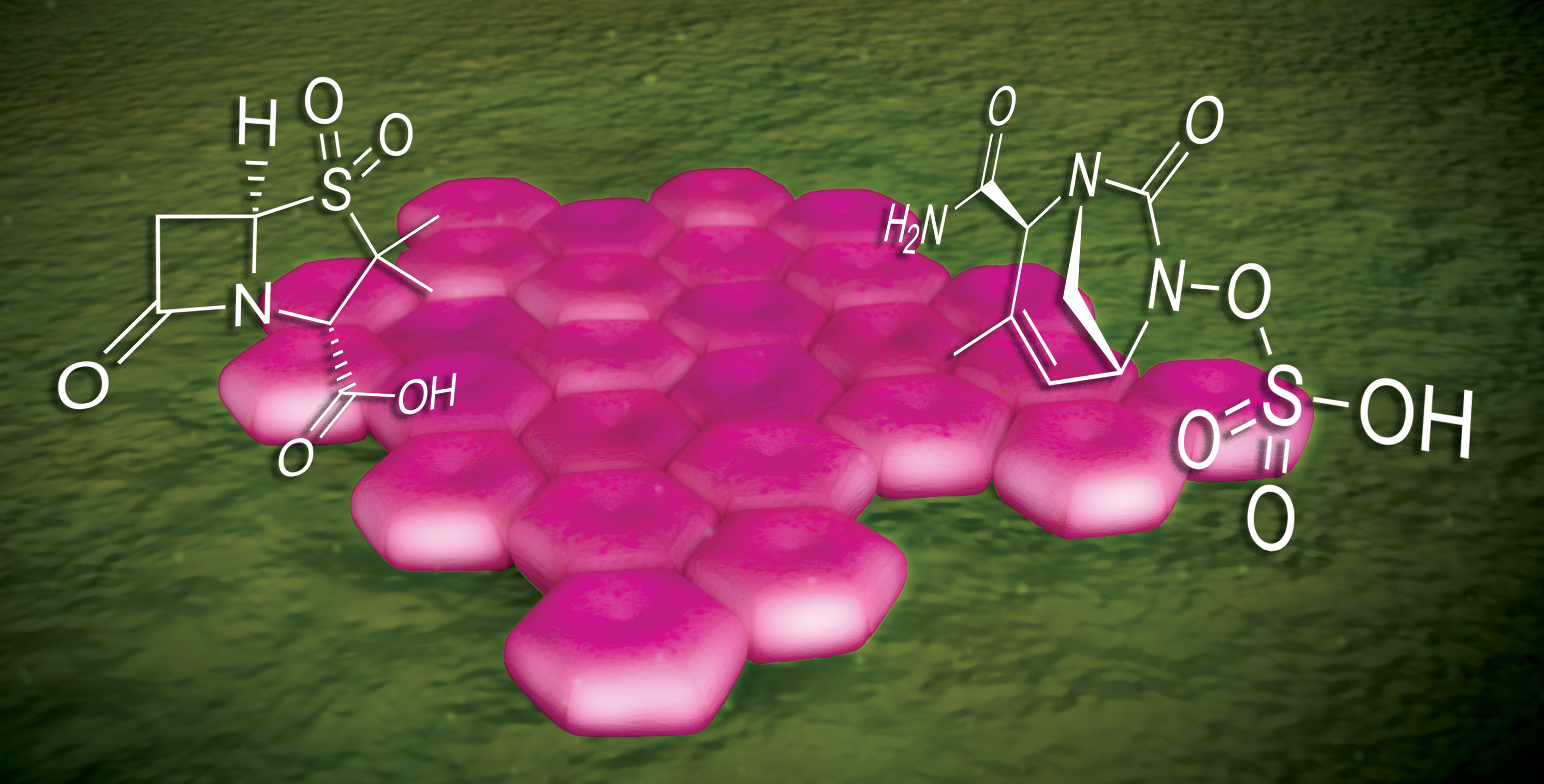
The antibiotic combination sulbactam-durlobactam (sul-dur; Xacduro, Innoviva Specialty Therapeutics) was approved on May 23, 2023, to treat hospital-acquired bacterial pneumonia and ventilator-associated bacterial pneumonia caused by susceptible strains of Acinetobacter baumannii-calcoaceticus complex, filling a major therapeutic need in infectious disease.
“This is very exciting news for all of us in the field of infectious diseases,” said Yi Guo, PharmD, the co-director of the antimicrobial stewardship program at Montefiore Medical Center, and an associate clinical professor of medicine at the Albert Einstein College of Medicine, in New York City. “We have been waiting for an antibiotic that can effectively target multidrug-resistant [MDR] Acinetobacter for a long time. Even with all of the novel antibiotics on the market now, this organism has been the one hole, the one for which no agent has shown great efficacy. This is a very significant approval.”
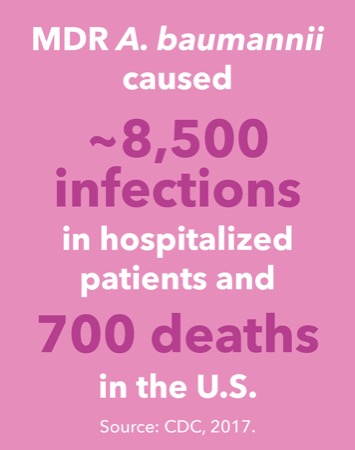
MDR A. baumannii caused an estimated 8,500 infections in hospitalized patients and 700 deaths in the United States, according to the CDC’s reported data from 2017 (bit.ly/4bBpVal-IDSE).
“This drug meets what I see as probably the largest unmet need in the MDR gram-negative space right now,” said James Lewis, PharmD, a clinical supervisor for infectious disease, the co-director of the antibiotic stewardship program and an adjunct associate professor of pharmacy at Oregon Health & Science University, in Portland.
“National surveillance data suggest that there are a lot of places where this organism is a major problem. I think the trial results will be good enough for the vast majority of institutions to decide that this is the go-to drug now for MDR A. baumannii,” added Dr. Lewis, who is a member of the Infectious Disease Special Edition editorial advisory board.
The FDA’s approval was based on data from the ATTACK trial, which randomized 177 hospitalized adults with pneumonia caused by carbapenem-resistant A. baumannii to either sul-dur or colistin for up to 14 days. Both groups were also given imipenem-cilastatin as background therapy (Lancet Infect Dis 2023 May 11. bit.ly/3w8gcIi-IDSE).
The primary measure of efficacy was mortality from all causes within 28 days of treatment in patients with a confirmed infection with carbapenem-resistant A. baumannii (n=125). Of those who received sul-dur, 19% (12/63 patients) died, compared with 32% (20/62 patients) who received colistin. Nephrotoxicity was also significantly lower in the sul-dur group (13% vs. 38%; P<0.001); overall, serious adverse events were reported in 40% of patients in the sul-dur group and 49% of patients in the colistin group. Adverse events led to the discontinuation of the study drug in 11% of patients in the sul-dur group and 16% of patients in the colistin group.
Mechanism of Action
The efficacy of the copackaged product is due to the complementary activity of its two drugs, said Amy Mathers, MD, an associate professor of medicine and pathology, the associate director of clinical microbiology, and the medical director for antimicrobial stewardship at the University of Virginia School of Medicine, in Charlottesville. “This agent is quite unusual in its mechanism of action. Sulbactam is known for being a non-antibiotic against most bacteria, but uniquely against Acinetobacter, it acts as an antibiotic. Then it is paired with durlobactam, an inhibitor for the enzymes that would otherwise destroy sulbactam and keep it from working.”
Dr. Mathers testified last year before a congressional subcommittee that “niche” antibiotics like sul-dur that target specific MDR organisms may be necessary to fight growing resistance, so it is unlikely that sul-dur would be used off-label for other indications, although it does have good activity against other beta-lactamases.
“The drug was studied in combination with imipenem as a broad-spectrum backbone. It would not surprise me to see it used off-label in some spaces where maybe you have A. baumannii and something else, because that durlobactam looks awfully good against other beta-lactamases than just the class D’s,” Dr. Lewis said. “If you threw some meropenem or cefepime on top of that, you’d have a really good spectrum. But because there is no routine, easy susceptibility testing for a combination like that, logistical issues might limit that type of usage.”
Although the pricing will depend on individual contracts, sul-dur is on the higher end of the scale for an antibiotic.
“There is price sensitivity in this market, and that cost is around $500 per day. This could cause some providers and institutions to consider using cefiderocol [Fetroja, Shionogi] before using sul-dur. But if this drug performs in the market in such a way that the industry is happy with what it sees, then this pathway of a niche antibiotic for specific MDR organisms may become more common,” Dr. Lewis predicted.
Dr. Mathers agreed. “Unfor-tunately, people have been looking for new broad-spectrum antibiotics with novel mechanisms of action, like a new penicillin if you will, for many years, but we haven’t had real breakthroughs despite a lot of effort,” she said. “The pipeline has not generated newer agents that work against all bacteria as well as some of the older agents to which there is now resistance. At this point, some of the worst bugs have figured their way around everything we’ve got, so we may need to continue to devise add-on niche agents like this one for specific bugs.”
The PASTEUR (Pioneering Antimicrobial Subscriptions to End Upsurging Resistance) Act, if approved, would provide a new subscription model for antibiotics that should encourage antibiotic use based on patients’ needs, rather than pricing. For more, check out our cover story from the August issue (bit.ly/3R18Y0X-IDSE).
Dr. Lewis reported he is a consultant to Entasis, La Jolla Pharmaceuticals, Merck and Selux Diagnostics. Dr. Mathers reported she is a consultant to Accelerate Diagnostics, AMR Services and Selux Diagnostics, and serves on the advisory boards for Biopharma, Cepheid, Melinta Therapeutics, Merck, Qpex/Shionogi and Venatorx Pharmaceuticals. Dr. Guo reported no relevant financial disclosures.
Please log in to post a comment